
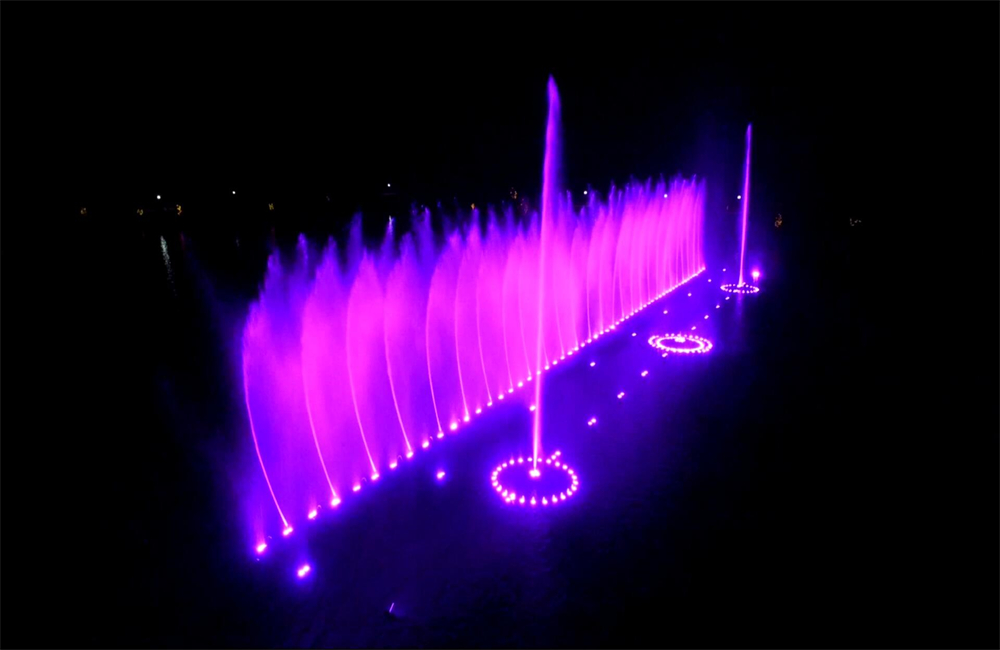
Design and Construction of Musical Fountains in Scenic Areas
In today’s increasingly competitive cultural and tourism landscape, musical fountains in scenic areas have become a key tool for attracting visitors, extending their stay, and enhancing brand recognition through the multidimensional artistic fusion of “sound, light, water, and shadow.” As a team specializing in the design and construction of musical fountains for scenic areas, we have deepened our expertise in the cultural and tourism sector for many years and successfully delivered over a hundred landmark projects. This article will provide an in-depth analysis of the planning key points, technical challenges, and operational value of scenic area musical fountains, helping you capture the next wave of growth in the cultural and tourism sector!
I. Scenic Area Musical Fountains: An Experience Upgrade from “Spectacle” to “Immersion”
A Powerful Tool for Driving Traffic and Boosting Efficiency:
Data shows that high-quality musical fountains can increase visitor traffic to scenic areas by 25%–40%, with a significant rise in revenue from repeat spending.
A Core Driver of the Nighttime Economy: Through nighttime fountain light and sound shows, visitor dwell time is extended by 2–3 hours, driving spending on dining and lodging.
A New Window for Cultural Expression:
By integrating local cultural IP (such as historical legends, natural ecosystems, and folk customs), we create a unique “scenic area storytelling show.”
Innovative Interactive Experiences:
Interactive designs—such as controlling fountain patterns via a mobile app and scanning QR codes to request songs—enhance visitor engagement and encourage word-of-mouth sharing.
II. Five Core Technologies for the Design and Construction of Scenic Area Musical Fountains
Professional companies specializing in the design and construction of scenic area musical fountains must overcome the following technical barriers:
Precise Audio-Visual Synchronization System:
Utilizing DMX512 intelligent control technology to achieve millisecond-level synchronization between music rhythms, water pattern changes (such as running fountains, mist forests, and water curtains), and laser projections.
Eco-Friendly Design:
Low-noise pumps combined with a recirculating water purification system minimize disruption to the scenic area’s ecological environment.
Gravity-fed water supply systems designed to utilize natural elevation differences reduce energy consumption by over 30%.
All-Weather Wind and Interference Resistance:
Customized wind-resistant nozzle arrays and waterproof LED light clusters are designed for outdoor scenic areas to ensure stability during extreme weather conditions.
Multidimensional Sensory Integration:
Combined with AR (Augmented Reality) technology, visitors can use their smartphones to scan the fountain and trigger virtual effects, creating an immersive “blending of the real and virtual” experience.
Smart Operations and Maintenance Management:
An IoT remote monitoring platform continuously monitors water quality and equipment status, providing early warnings of potential failures to reduce operational and maintenance costs.
