
Designing Fountains for Public Squares
Many clients approach us and say, “I want to build a fountain, and my budget is roughly this much.”
01 First, figure out: Who is this fountain for?
The first step in design isn’t selecting nozzles—it’s defining the concept. Different plazas require vastly different pool sizes, nozzle types, and control systems:
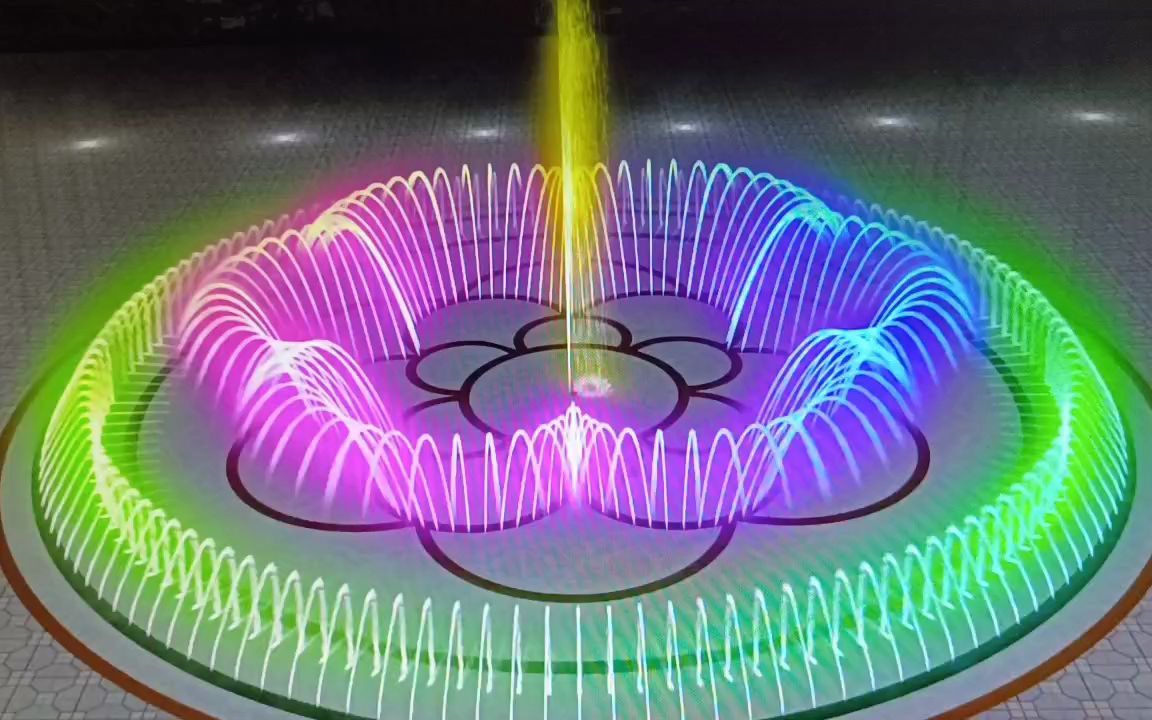
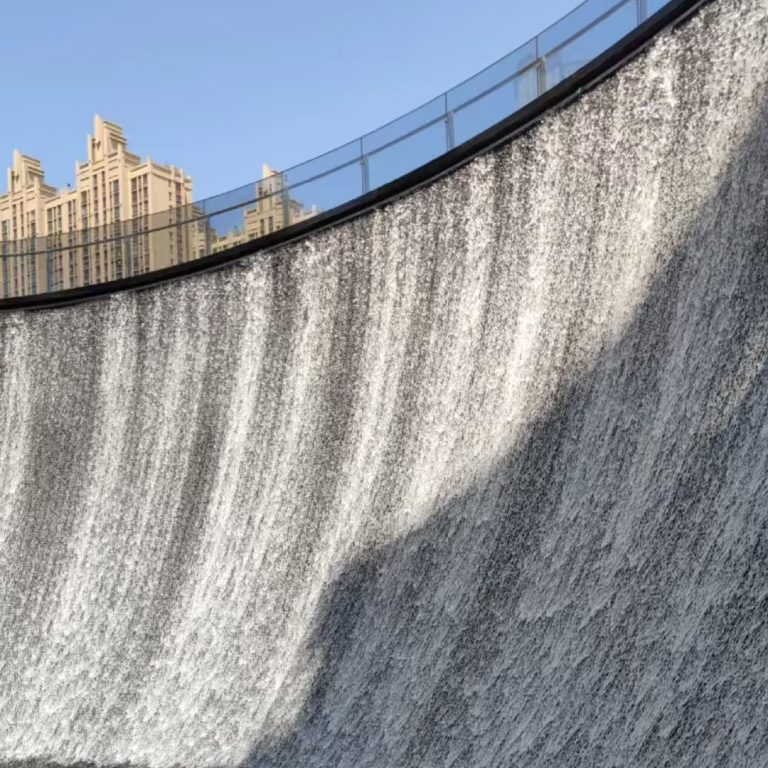
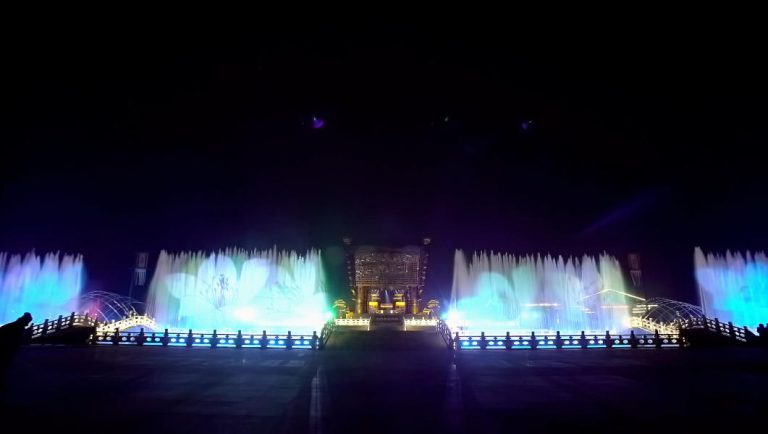
City Landmark Plazas—They need to be awe-inspiring and photogenic. Musical fountains and large-span water curtains are the mainstream choices, complemented by lighting for nighttime displays.
Commercial Complexes—The goal is to attract crowds and drive foot traffic. Interactive dry fountains and jumping fountains are ideal; children love to play with them, and young people love to take photos.
Residential Communities / Parks — Safety is the top priority; quiet, small fountains or low water features are sufficient, and water depth must be kept to a minimum.
If the positioning isn’t nailed down from the start, the entire project will end up requiring rework. I’ve seen many projects where government plazas were built on a commercial plaza budget, resulting in fountains that looked like showers; conversely, commercial plazas were designed as if they were landmark plazas, leading to unsustainable maintenance costs and eventual shutdowns.
02 Hard Requirements for Pool Design (Major Pitfalls)
The pool is the “foundation” of a fountain; if the foundation is flawed, even the best equipment is useless.
Water Depth: Pools for purely aesthetic purposes are generally 0.3–0.6 m deep; children’s interactive areas should be even shallower and must feature non-slip surfaces and rounded edges; dry fountain areas must ensure no water accumulation and no tripping hazards.
Pool Structure: Reinforced concrete pool walls + flexible waterproofing membrane (SBS or polyurethane). Don’t trust “brick-built with a coat of waterproofing paint”—it’s bound to crack within six months.
Circulation and Filtration: The water that’s sprayed out must be recirculated. A circulation pump and filtration system are mandatory; otherwise, the water will turn green within a week and become a mosquito breeding ground in the summer.
Electrical Safety: Underwater lights and pumps must meet IP68 waterproofing standards and be equipped with ground fault circuit interrupters (GFCIs) and equipotential bonding. This is a red line—not an optional requirement.
Overflow and Drainage: The system must be able to overflow and drain during heavy rain and be quickly drained for maintenance; otherwise, the pool will turn into a reservoir the moment it rains heavily.
03 What Can a Direct-from-Manufacturer Factory Save You?
As a fountain manufacturer with over 1,000 projects under our belt, we offer clients more than just equipment:
Integrated Design and Construction—We handle everything in-house: design, pool structure, equipment, and control systems. This ensures a single point of responsibility, guaranteed results, and controllable project timelines.
Free On-Site Survey—We assess the site before providing a quote, avoiding empty promises like “we can do anything”; we only propose solutions that are feasible.
Modular Equipment—Standardized nozzles, pump sets, and control systems allow for quick replacement of faulty parts without scrapping the entire unit.
Local After-Sales Service—We respond quickly to issues and train property management staff in basic operation and maintenance, ensuring the fountain doesn’t become a “one-time project.”