
Landscape water curtain wall design
Water curtain wall design is a mainstream dynamic water landscape for home courtyards and commercial spaces. It features high aesthetics and practicality, capable of purifying air, reducing noise and increasing humidity, and suits various styles including neo-Chinese style, minimalism and light luxury. Many property owners are confused about model selection, material selection and waterproof construction. This article summarizes the core essentials and pitfall avoidance tips for indoor and courtyard water curtain wall design.
1. Four Common Types & Application Scenarios
- Wall-mounted Water Curtain Cost-effective with low noise and no water splashing. Designed with an 85-88° inclined wall to ensure an even water film. Ideal for villa interiors, hotel lobbies and courtyard landscape walls.
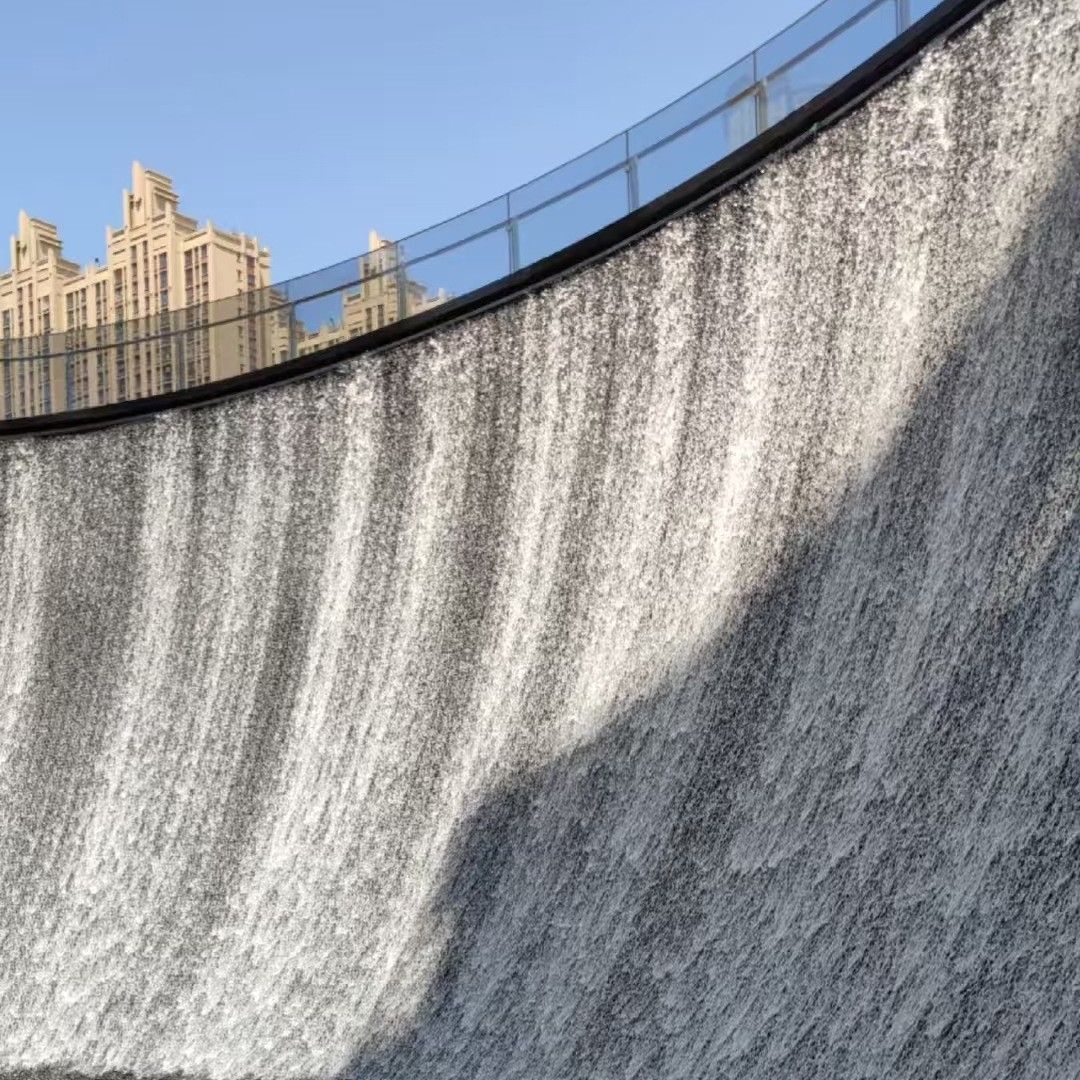
- Overhanging Waterfall Curtain Creates a full water curtain from top overflow outlets with a strong atmospheric effect. Suitable only for outdoor courtyards and sales centers; not recommended for indoor use due to splashing water and loud noise.
- Cable Water Curtain Minimalist and transparent with delicate water lines. Perfect for light-luxury interiors, entrance partitions and commercial exhibition halls, serving as a popular modern light-luxury water landscape.
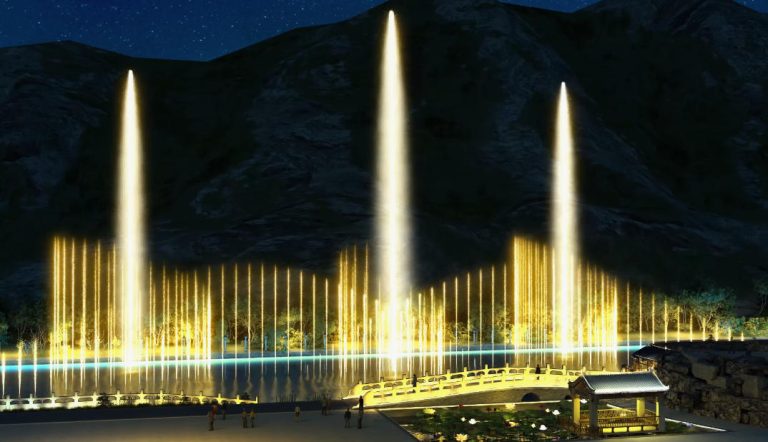
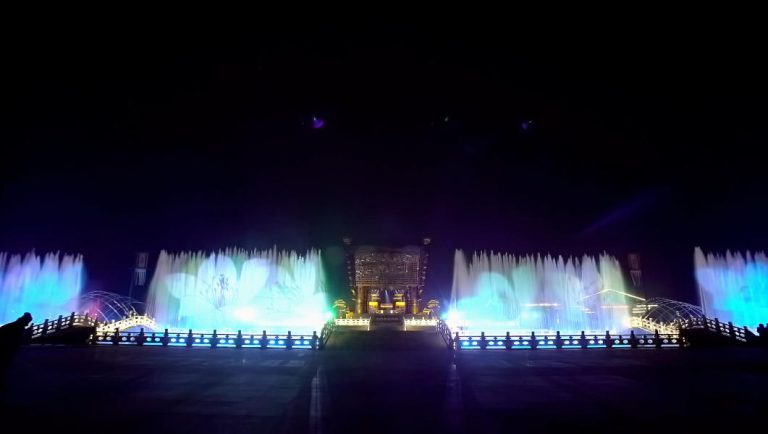
- Digital Controlled Water Curtain Realizes dynamic water patterns and linkage with lighting via intelligent control. High-tech and premium, mostly applied in large commercial and cultural tourism scenarios, with excessive cost for residential use.
2. Professional Material Selection
For outdoor use: prioritize 316 stainless steel, flowing stone, black mountain stone and outdoor rock slabs for frost resistance, corrosion resistance and algae resistance. Avoid porous inferior stones to prevent efflorescence and water leakage.
For indoor use: adopt ultra-clear glass, 304 stainless steel and matte rock slabs, which are smooth, easy to clean and reduce water stain problems. All overflow grooves adopt stainless steel to avoid blockage and rust.
3. Core Construction Technology
Keep the water distribution system horizontal and flat. Sectional water supply is required for walls over 6 meters wide to ensure uniform water flow. Adopt a closed silent water circulation system with a pump flow rate of 2-4m³/h per meter width and a sufficient reservoir volume to prevent dry burning.
Double-layer flexible waterproofing is constructed on walls (higher than the water curtain top), and full waterproofing with overflow and drainage outlets is applied to the reservoir. Equipped with IP68 waterproof wall washers, with optional intelligent functions including timing and water-shortage power-off protection.
4. Indoor vs Outdoor Design Differences
Indoor design focuses on splash prevention, noise reduction and moisture proofing, adopting only wall-mounted styles with enhanced ventilation and power-off protection.
Outdoor design emphasizes weather resistance and wind resistance with inward-retracted overflow outlets. Pipes need draining in winter for antifreezing and convenient sundry cleaning.
5. Key Pitfall Avoidance & Maintenance Tips
Avoid vertical 90° walls, installation at air outlets, missing filtration systems and incomplete waterproofing. Control water film thickness properly to reduce noise and splashing.
Regularly clean filtration devices and water scales. Take antifreezing measures for outdoor equipment in winter to prolong service life.