Design of Water‑based Light Show
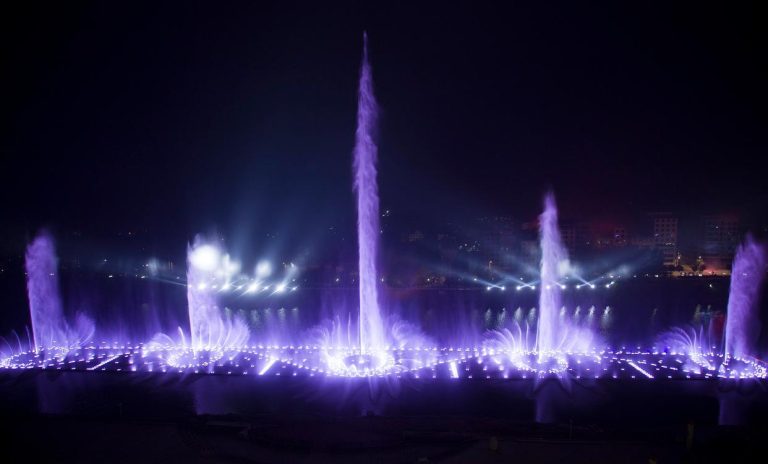
With the vigorous development of the nighttime cultural‑tourism economy, the design of water‑based light shows has become a core approach for upgrading urban nightscapes, attracting tourist flows to scenic spots, and creating commercial landmarks. Water surfaces feature both mirror‑like reflection and dynamic ripples. Leveraging this characteristic, water‑based light shows can deliver multi‑layered light‑and‑shadow effects and highly striking visual imagery, making them an excellent solution for building popular nighttime tourist destinations. They not only elevate the nighttime aesthetic quality of venues but also boost nighttime consumption and forge cultural‑tourism city calling cards. This paper briefly elaborates on the core advantages, design principles, implementation workflows, mainstream styles and common pitfalls of water‑based light shows, providing professional references for lighting projects on rivers, lakes, scenic‑site water bodies and commercial water features.
I. Core Advantages of Water‑Based Light Show Design: Distinct from Conventional Lighting
Ordinary water‑feature lighting only delivers basic environmental brightening. By contrast, creative and professional water‑based light‑show design is an integrated nighttime‑tourism project that combines light‑and‑shadow art, intelligent programming, water special effects and narrative content. It possesses prominent core advantages far exceeding those of conventional lighting solutions.
- Dual‑layer light and shadow for stronger immersion: Reflection and refraction on the water surface generate stereoscopic dual‑layer light‑and‑shadow effects, while dynamic ripples endow lights with fluid and shifting qualities. Combined with water‑screen, fountain and water‑fog special effects, it creates dreamlike immersive visual experiences unachievable by land‑based lighting.
- Wide adaptability and high flexibility: Applicable to various water bodies including large urban lakes, scenic‑site water systems, urban rivers and commercial landscape ponds. It fits multiple scenarios, such as routine brightening, festival performances, commercial events and urban publicity.
- Tourist attraction and outstanding commercial value: Boasting strong visual expressiveness, water‑based light shows spread easily via social media and readily become viral check‑in spots. They can effectively extend tourists’ stay duration, drive nighttime consumption, improve returns on cultural‑tourism projects and support the development of landmark IPs.
- Energy‑saving, durable and low‑operation‑cost: Waterproof LED light sources paired with intelligent programming systems feature low energy consumption and uniform brightness, alongside waterproof, anti‑corrosion properties and long service life. They support regular long‑duration performances and reduce subsequent operation and maintenance costs.
II. Core Design Principles for Water‑Based Light Shows: Balancing Visual Effects and Safety
High‑quality integrated water‑based light‑show design rejects indiscriminate light stacking, and follows four core principles: site‑specific adaptation, artistic narration, safety and reliability, and intelligence & energy conservation, balancing aesthetics, practicality and constructability.
- Site‑specific adaptation and respect for the original site environment Carry out customized design based on water area, water depth, water quality, surrounding landscapes and project positioning. Large‑scale lakes suit full‑scale immersive light shows paired with water screens and fountains. For small‑scale rivers and landscape ponds, adopt lightweight, well‑structured and refined light‑and‑shadow layouts to avoid cluttered visuals and integrate lighting effects with the natural environment.
- Artistic narration and creation of exclusive thematic content Light shows without clear themes can hardly leave deep impressions. Design should incorporate local culture, urban characteristics and scenic‑site IPs to develop exclusive storylines and light‑and‑shadow styles. Visual narration is conveyed through shifts in color, rhythm and visual imagery, equipping the light show with both ornamental value and cultural connotation.
- Safety first for the special aquatic‑environment scenario Aquatic environments feature high humidity, risk of water immersion and drastic temperature fluctuations. All equipment, circuits and control systems must meet standards for waterproofing, anti‑corrosion, lightning protection and electric‑leakage prevention. Scientifically plan equipment installation positions to mitigate impacts from water flow and water‑level variations and ensure long‑term safe and stable operation.
- Intelligent controllability: balancing performance and energy conservation Deploy intelligent programmable control systems to enable scheduled start‑stop, zoned management, remote adjustment and multi‑mode switching, separating routine nighttime‑tour modes from special holiday modes. Optimize light brightness and flicker frequency to avoid light pollution while reconciling visual performance with energy‑saving and environmental‑protection goals.
III. Complete Design Workflow for Water‑Based Light Shows: Standardized Implementation to Mitigate Risks
Standardized planning, design and delivery of water‑based light shows consist of six interlinked core phases to guarantee efficient project delivery and expected outcomes.
- Site survey and requirement positioning: Clarify project budget, application scenarios and performance frequency. Conduct on‑site surveys of water‑body conditions, power supply and surrounding conditions, sort out construction challenges, and define design directions.
- Theme planning and customized solution delivery: In accordance with regional culture and project positioning, determine the light‑show theme, color palette and light‑and‑shadow layout, and deliver complete planning documents, renderings and dynamic demonstration outputs.
- Refined creative design: Finalize luminaire placement, light‑and‑shadow rhythm, visual content and sound‑effect matching, achieving precise synchronization among lights, water screens, fountains and music to build immersive audio‑visual experiences.
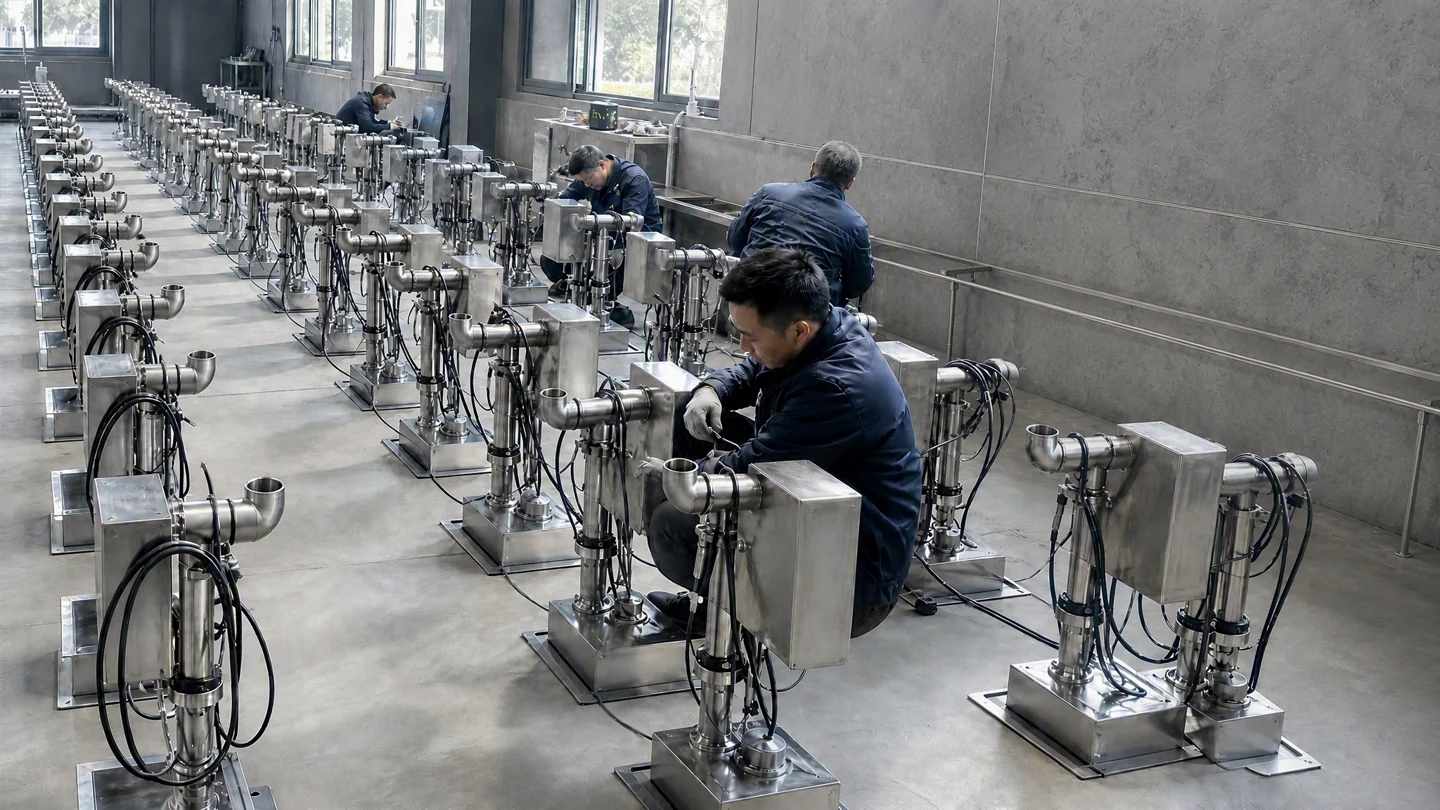
- Professional equipment selection: Adopt high‑quality waterproof LED lamps, laser lights and other water‑dedicated hardware as well as waterproof controllers, taking into account brightness, color rendering, waterproof performance and equipment service life.
- Standardized construction and installation: Complete circuit routing, equipment fixing, waterproof sealing, earthing and lightning protection in compliance with specifications. Prioritize concealed installation to preserve the original aesthetic appeal of water features.
- Commissioning, acceptance and handover: Finely calibrate light‑and‑shadow rhythm and picture synchronization, and test equipment stability and waterproof performance. Provide operation‑and‑maintenance and content‑update services upon acceptance and project handover.
IV. Mainstream Design Styles of Water‑Based Light Shows for Diverse Scenarios
Selecting styles aligned with site positioning and usage scenarios is key to enhancing light‑show appeal. The four mainstream styles below cover most application requirements.
- Chinese‑cultural‑themed light shows Drawing inspiration from landscape conceptions, traditional folk customs and regional history, this style features elegant hues such as teal, indigo and warm gold, with slow, gentle rhythms. Suitable for ancient towns, historic cities and cultural parks.
- Technological immersive light shows Employing 3D dynamic light‑and‑shadow, laser special effects and geometric lighting, paired with trendy color schemes and dynamic music, it delivers powerful visual impact. Ideal for urban landmarks, modern cultural‑tourism complexes and viral water‑feature check‑in destinations.
- Minimalist‑luxury routine brightening light shows Focusing on soft gradient lighting with concise, neat light‑and‑shadow lines and an understated premium aesthetic. Mostly applied for routine environmental brightening of residential landscape water systems, commercial plaza ponds and small urban rivers.
- Festival‑oriented interactive light shows Customized light‑and‑shadow content and interactive effects for festivals such as the Spring Festival and National Day, supporting regular content updates. Suitable for special festival performances, short‑term events and commercial customer‑acquisition activities.
V. Common Pitfalls in Water‑Based Light Show Design: Avoiding Implementation Risks
Poor performance of many water‑based light‑show projects stems from mistakes made at the design stage. Address the following four points to steer clear of design pitfalls and guarantee project quality.
- Reject excessive light stacking and guard against light pollution: Blindly increasing luminaire quantity and brightness results in cluttered visuals, glare and energy waste. Designs shall feature clear hierarchy and appropriate density, balancing ornamental beauty and viewing comfort.
- Prevent misapplication and misuse of equipment: Ordinary land‑based lamps shall not be used directly. Special waterproof and anti‑corrosion aquatic equipment must be adopted to reduce frequent malfunctions, cut subsequent maintenance costs and secure operational safety.
- Avoid content homogenization and lack of narrative core: Thematic and story‑driven content is indispensable for leaving lasting impressions. Customized cultural themes and light‑and‑shadow narratives are critical for light shows to attract audiences and draw tourist crowds.
- Ensure synchronization of audio, video and lighting: Finely tune system linkage programs to eliminate desynchronization among lights, visuals and music, so as to realize integrated immersive audio‑visual experiences.