
Choose cooperation with your local team or a complete turnkey fountain project managed by Lishi. Agree the design, equipment, installation, commissioning, site interfaces and support scope before confirming the project programme.
How can Lishi deliver your overseas fountain project?
Lishi offers two delivery models: cooperation with your local project team, or a complete turnkey fountain project managed by Lishi. Choose the model that fits your project organisation, site conditions and preferred level of involvement.
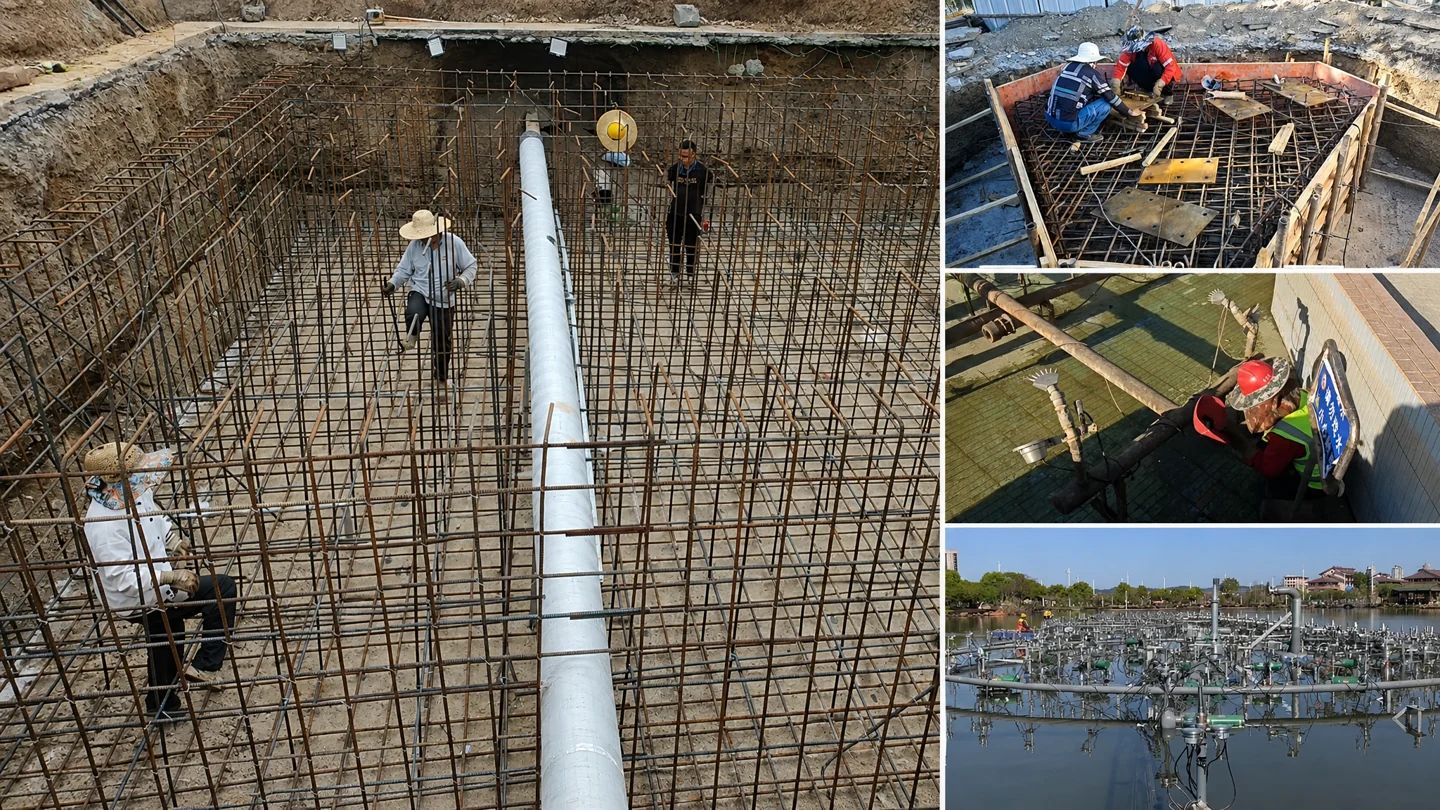
In a cooperative delivery, we coordinate the fountain design, equipment and agreed technical services with your appointed local team. In a full turnkey delivery, Lishi takes responsibility for the agreed fountain project from design and equipment manufacture through installation, programming, commissioning and operator training. We confirm the complete scope, interfaces, schedule and destination requirements with you before work starts.
Do we still need a local contractor?
You can choose either approach. If you already have a local contractor, Lishi can work with that team and agree a clear division of design, civil, electrical, mechanical and commissioning responsibilities. If you prefer one team to manage the fountain project, Lishi can undertake the complete agreed project independently as a turnkey package.
A local contractor is therefore an option, rather than a requirement of our service model. Before confirming the package, we review the site, utilities, construction interfaces and any destination-specific approval arrangements with you. The proposal identifies what Lishi will deliver and any owner or third-party interfaces, so the complete package is clear from the start.
Compare the two approaches using our overseas project scope and responsibility guide.
Will the equipment fit our electricity, water and local requirements?
Provide the actual site supply data, intended public access, water source and quality, environmental exposure, operating hours and authority requirements. State voltage, frequency, phases and the available electrical capacity rather than only the country name. Have the responsible local professionals confirm the applicable approvals and interfaces before manufacture. Do not treat a generic certificate or a successful project in another country as blanket approval for your site.
Can an engineer travel to our site, and who pays?
Confirm the personnel scope, country, expected duration, site-readiness conditions and lawful entry/work arrangements before booking travel. Itemise flights, accommodation, local transport, interpretation, insurance and site induction where applicable. Agree how standby days, additional visits and delays caused by an unfinished site will be handled. Do not assume a visitor entry permission authorises installation work; obtain destination-specific confirmation from the responsible parties.
Is the supplier quotation the total installed cost?
Usually the quotation must be checked for exclusions before it becomes a comparable project budget. Build separate allowances for equipment, freight, import charges, local construction, utilities, installation labour, supervision, commissioning, show content, training and initial spares. Avoid adding a guessed universal tax rate. Use the fountain shipping and import planning checklist alongside the existing project budget guide.
How can we check equipment before paying for shipment?
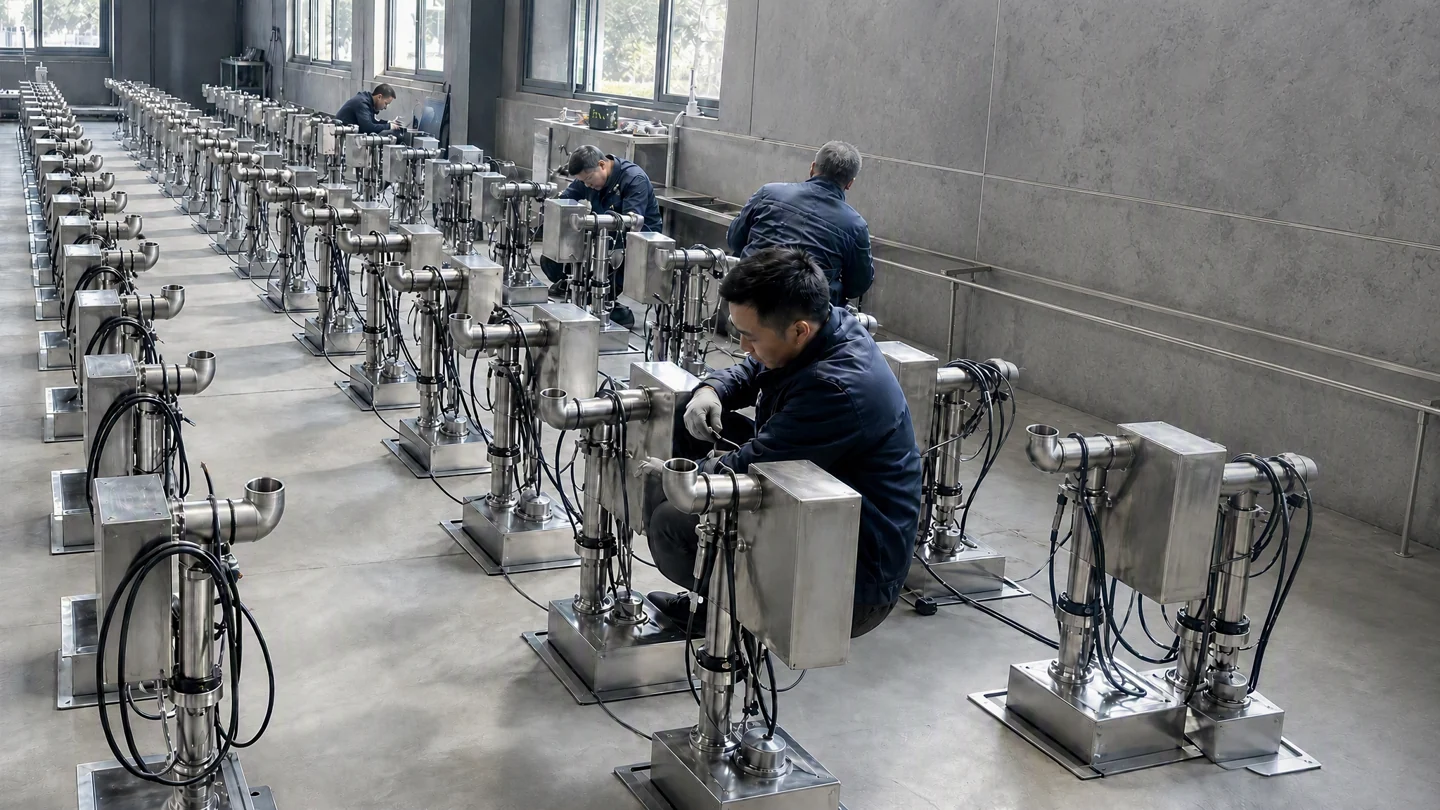
Agree what can be inspected at the factory, what evidence will be recorded and which results are required at the actual site. Match the equipment schedule to labelled items, document agreed checks and record unresolved issues. Payment milestones should be clear in the contract; a packing photo or a short show clip is not a complete acceptance record. Read the factory acceptance and overseas support guide for a practical evidence list.
What determines the delivery and opening dates?
Plan separate dates for design freeze, local approvals, manufacturing, inspection, freight booking, import clearance, site readiness, engineer mobilisation, commissioning and handover. Ask for a dependency-based programme instead of only a factory lead time. Record who supplies missing information and what happens when the site or shipment is delayed. A final opening date should not be inferred from a generic web-page timeline.
What happens when the overseas project needs service?
Define the first contact, language, time-zone coverage, required fault information and escalation route. Record which tasks the trained local operator may perform and which require a qualified technician. Request equipment identification, drawings, backups, operation records and a site-specific spare-parts list. Confirm warranty coverage, exclusions, start date and the cost of freight, labour and travel; these are not universally included just because equipment is under warranty.
Who owns the show programme, music and control access?
Specify the show deliverables, programme versions, backups, licences, passwords or role-based access, future editing arrangements and any recurring charges. Confirm who supplies appropriately licensed music or visual content. Avoid a handover that leaves the operator unable to identify the installed version or obtain authorised technical support. Do not share control passwords in public enquiry forms.
Lishi’s fountain engineering and project experience
Lishi brings extensive fountain design, manufacturing and project delivery experience to overseas project planning. Our experience covers the coordination of water effects, lighting, controls and show programming, together with installation, commissioning and the practical requirements of long-term operation.
Explore our fountain project cases to see completed work and the engineering approaches behind different fountain applications. Our project videos also show fountain effects in operation, helping your team discuss the result you want for your own site.
For your project review, tell us the location, site type and intended effects. We can then introduce relevant experience and explain how our approach applies to your project, whether you choose local cooperation or a full turnkey package.
What should we send for an overseas project review?
- Project country, city, site owner and the local project team.
- Site plan, photographs, dimensions, intended use and target effects.
- Available utilities, water information and known approval requirements.
- Whether you need supply only, remote assistance, supervision or a defined installation scope.
- Destination port or delivery point, target opening date and the known site-readiness programme.
- Budget scope, desired acceptance evidence, training language and expected support arrangements.
Start with the project brief checklist and send only available facts; mark unresolved inputs instead of guessing. Discuss the remaining scope through the project enquiry form after reviewing the detailed planning guides below.